


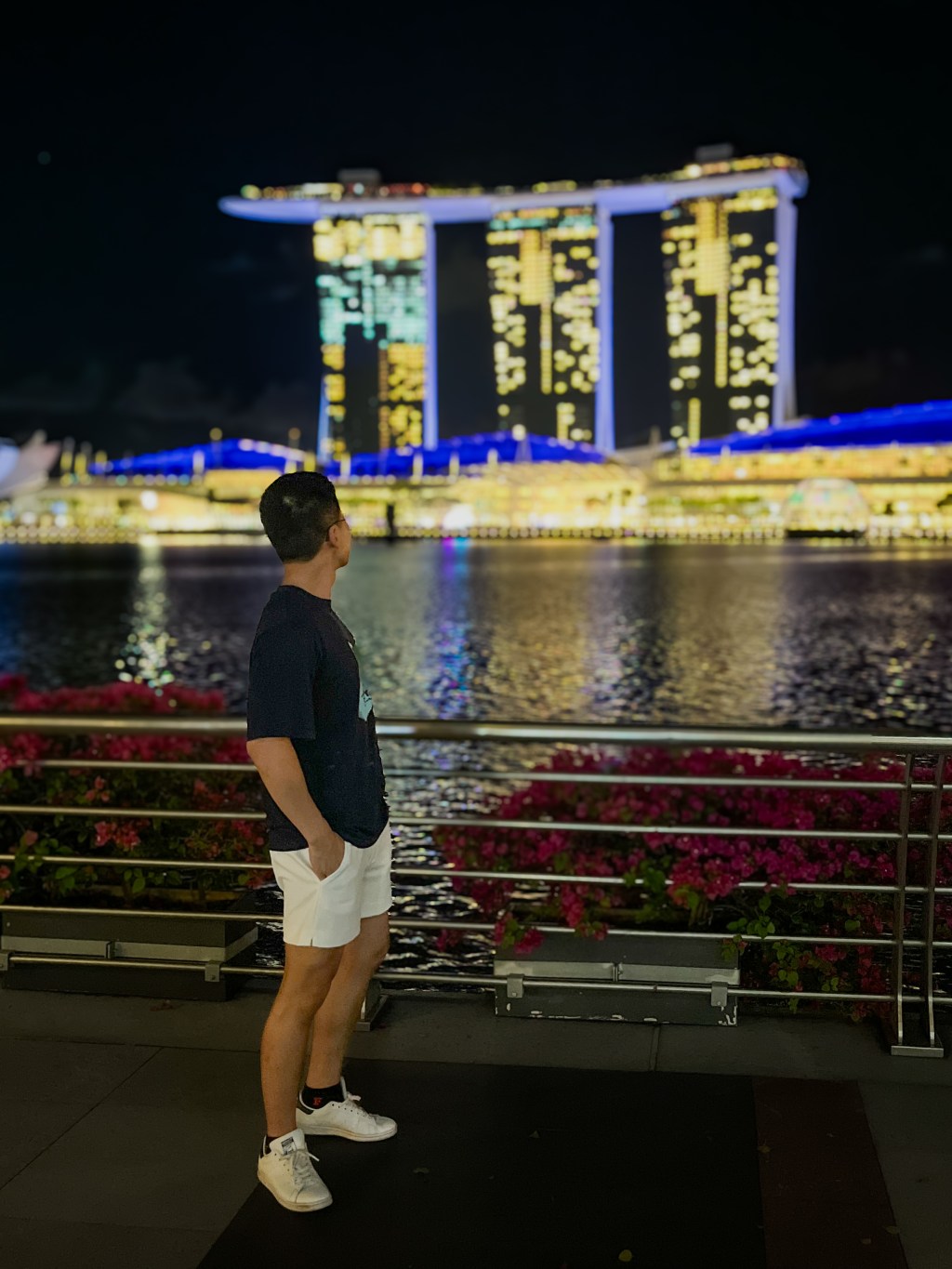
Have you ever looked back and wondered if you invested too much time and energy in the wrong relationships? If not, lucky you. For me, that realization hit hard while reflecting on 2025 — and it forced me to confront something deeper: fear had quietly shaped how I built connections.
Over the past 4–5 years, I’ve made some genuinely good relationship investments. But I also noticed that I spread myself too thin, trying to be friends with everyone. Not because I don’t value people — I do — but because I feared losing. That fear, known in Southeast Asia as kiasu, had me overextending in relationships that weren’t reciprocal. It wasn’t just exhausting. It was subtly dishonest to myself and others.
The moment of clarity came at my annual ritual: scrolling through my WhatsApp while thinking about who to send Happy New Year messages to. Names appeared, and memories followed: dinners, hangouts, coffees, one-on-ones, trips, random plans. And then, quietly, I noticed a pattern, who actually reached out, and who never initiated. Some names even surprised me. I thought we were good friends. Can’t lie, I felt a knot in my chest, a mix of disappointment, self-awareness, and sadness all at once.
That’s when the idea of reciprocity struck me, not just whether it existed, but whether it was appropriate for the relationship I thought we had. In some cases, I was the constant initiator, carrying the momentum alone. Sometimes it felt natural. Other times, it left me wondering: Why am I investing so much in someone who isn’t meeting me halfway?
Of course, personality matters. Some people are less proactive but bring immense energy once you’re together. That’s a reciprocity style I embrace. But in other cases, it wasn’t style — it was priority. Some simply weren’t interested in investing in the relationship at all. That stung. But noticing it, rather than ignoring it, felt like a small act of self-respect.
So why did I do it? Why did I over-invest? The answer came back to kiasu, fear of losing out. I treated relationships like future optionality instead of present connection. That’s an unhealthy lens, rooted in a lifetime of competition. But confronting it allows me to shift toward something better.

What does “better” look like? I’m lucky to have a best friend who has shown me the answer. From little gifts during work trips, to planning dance classes, workout sessions, exploring cafes and restaurants, and hosting dinner parties — that friendship is mutual, thoughtful, effortless, and joyful. It doesn’t feel like keeping score. It feels like shared happiness.
Choosing relationships based on joy instead of usefulness is a big shift for me. It means asking: Do I genuinely enjoy being with this person, even when there’s nothing to gain? Not networking, not future optionality, not strategy. Just: are we vibing? Some friendships are valuable simply because they make life more colorful, and I hope I bring that color to them too. In practice, this means less spreading myself thin, and more focusing on people who reciprocate effort and energy.
This doesn’t mean I need to become a different kind of friend. I’m already genuine in how I show up. The change is in focus, not personality: giving my energy fully where it matters most. Not because others don’t deserve it, but because depth requires attention. It’s better to show up completely for a few than to be exhaustedly “good enough” for many.
Going into 2026, I want to reflect on this more often, not just once a year. Relationships are two-way investments, and with limited time and energy, I want to be intentional about where I place mine. This isn’t about cutting people off. It’s about calibrating: noticing who matches my energy, adjusting expectations, and having honest conversations when necessary.

This will risk shrinking my circle, but that’s okay! Not everyone needs to be a close friend, and that’s okay. We all operate in circles, from strangers, acquaintances, friends, good friends, to close friends. Problems arise when expectations don’t match. If I think we’re close friends and you think we’re just friends, disappointment is inevitable. Calibration, not distance, is the real work.
To put it in corporate terms, because I can’t resist, we need to align more!
Align on what we are to each other.
Align on what we expect from each other.
Align on how much energy we’re realistically willing to invest.
It might be uncomfortable. But that alignment is healthier than ignoring imbalance. It’s how relationships become sustainable, mutual, and grounded in reality — not just in hope. And for those of you who felt I didn’t match your energy: feel free to ask. I’m open to having that conversation.
 Chris' Learning Notes